The Retirement Decisions Australians Keep Putting Off

It’s the great Australian dream: your clients work for decades, pay off their mortgage and finally own their own home outright (or with a small mortgage). But for a growing number of Australians over 60, a strange paradox emerges the moment they stop working. They find themselves sitting on an incredibly valuable asset, one that’s usually worth well over a million dollars, yet they watch their bank accounts closely, wondering if they can truly afford a comfortable lifestyle. This is the reality of being asset-rich but cash-poor. A number of clients in your book will be experiencing this very predicament.
It doesn’t help that the cost of a ‘comfortable retirement’ keeps rising. The financial pressure on Australian retirees has hit a new milestone, with the Association of Superannuation Funds of Australia (ASFA) lifting its benchmark retirement standard for a comfortable retirement increasing to an all-time high. Driven by persistent cost-of-living pressures – particularly sharp increases in utility bills, insurance and medical expenses – ASFA’s updated data reveals that single homeowners now require a superannuation lump sum of $630,000 (up from $595,000), while couples need a combined $730,000 (up from $690,000).
On an annual basis, this means a couple needs to find $78,566 a year, and a single homeowner needs $55,923 a year, to maintain private health insurance, run a reliable vehicle, manage simple home repairs and enjoy basic leisure activities. For many over 60, these climbing figures highlight a stark reality: relying purely on superannuation and the Age Pension to achieve true comfort is becoming increasingly difficult.
The ‘someday’ trap
When it comes to managing wealth in later life, many fall into the ‘someday’ trap. These are people who delay making big financial decisions because considering options like equity release feels daunting, or because they mistakenly believe these tools are only a last resort for financial distress.
The reality?
Putting off these choices usually means your clients will make unnecessary sacrifices today, whether that’s skipping a long-awaited holiday, delaying essential home maintenance or feeling anxious about rising bills.
However, the conversation around retirement planning is changing. More people are recognising that the family home isn't just a place where memories live – it can also be a strategic resource that supports your clients financially. Exploring a reverse mortgage with your clients isn’t about them losing control of their asset; it’s about unlocking the home equity they spent a lifetime building so they can live with confidence and peace of mind right now…not ‘someday’.
The great Australian retirement bottleneck
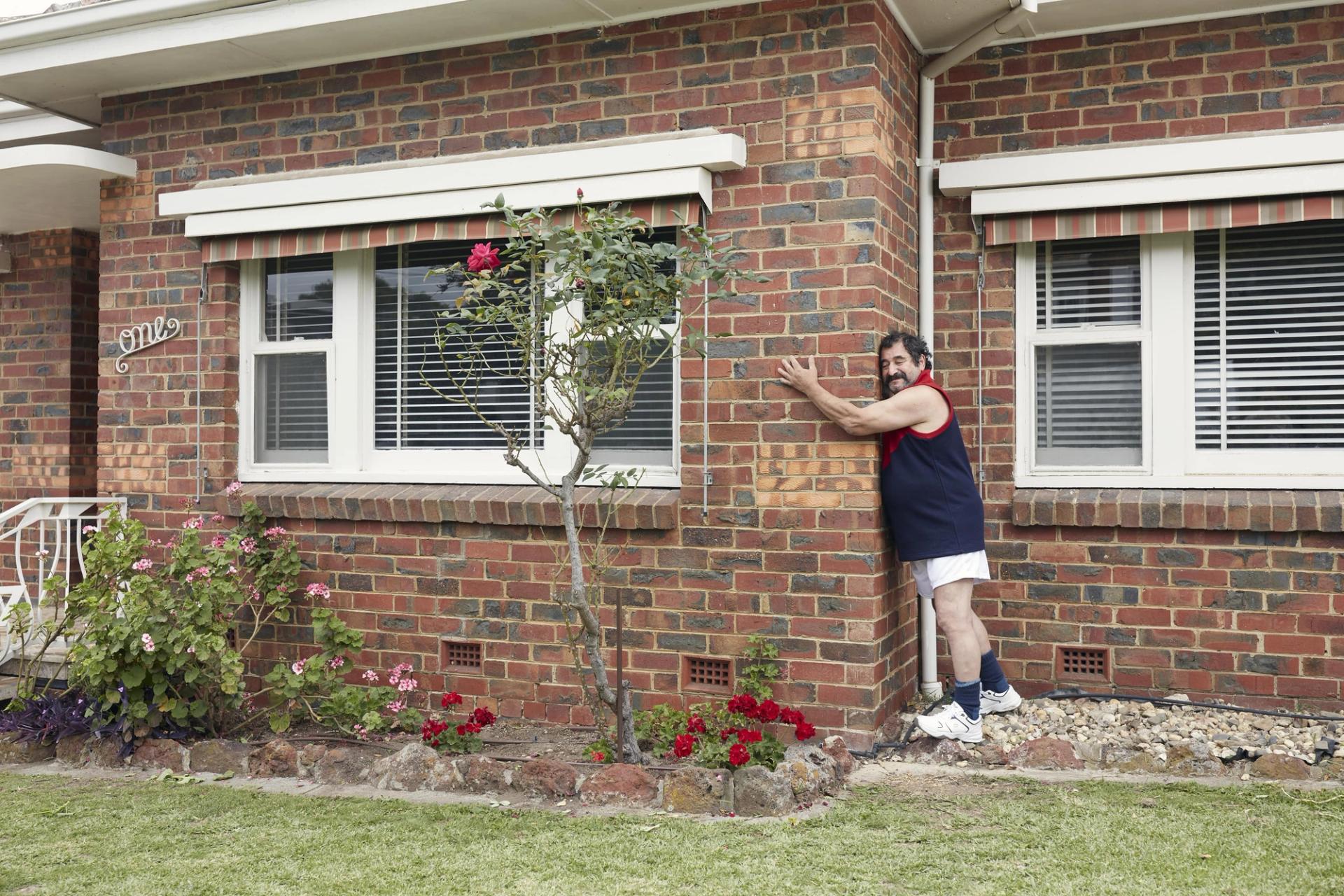
It is entirely natural that your clients feel a deep, emotional attachment to their family home. It’s where they raised children, hosted decades of Sunday roasts and nurtured gardens that provided years of blooming joy. Because of this connection, many older Australians experience a financial bottleneck. Understandably, they want to preserve their hard-earned wealth and protect their home. However, by leaving that wealth completely locked up, they inadvertently compromise their own day-to-day comfort.
There are a few common reasons why older Australians put off unlocking their home equity:
- The inheritance dilemma – a deeply ingrained desire to leave the home untouched for children or grandchildren often causes retirees to live more frugally and sacrifice their own quality of life to protect an asset for the next generation.
- The procrastination comfort zone – because the home is safe and paid off, it feels easier to make lifestyle changes (for example, turning off the heater early or skipping social outings) than it does to open up a conversation about managing assets.
- Home equity as a last resort – tapping into property wealth was once viewed as a desperate last resort for those who had run out of financial options. Today, home equity is widely recognised as a strategic asset that proactive retirees utilise to design a flexible and comfortable lifestyle.
An effective retirement plan that includes a reverse mortgage isn't about giving up the family home – it’s about allowing the home to ‘take care’ of them while they still live in it.
If you have clients over 60, there’s a good chance they will be considering ways to maximise their retirement funding options, whether they’re retired yet or not. It’s important to remind them that their children want them to enjoy a comfortable retirement, one they worked hard for. Involving the next generation in discussions has a dual benefit; the kids get to see how home equity can work for their parents and they have first hand experience of your services. That could be important when they’re looking to finance their next home.
By shifting how property is viewed – from a frozen monument to an active partner in retirement funding – it’s possible to break through the bottleneck and confidently enjoy a comfortable retirement lifestyle.
Reverse mortgages – a flexible retirement funding option
If your client hasn't looked at a reverse mortgage in the last decade, you need to encourage them to throw out the old assumptions. There is a lingering myth, born out of the unregulated markets of the 1980s and 90s, that signing up for a reverse mortgage in Australia meant risking the roof over your head or leaving your family with a mountain of debt. As you know, this is no longer the case.
Driven by strict federal regulations under the National Consumer Credit Protection Act, the modern reverse mortgage has been entirely redesigned with consumer protection at its core. The most profound shift in the modern era of equity release is the introduction of the statutory No Negative Equity Guarantee. By law, your client or their estate can never owe the lender more than the market value of their property when it is sold. If the market dips or their retirement extends for decades, the lender absorbs that risk, not your client, and not their kids.
Furthermore, your client retains full ownership and the right to live in their home for as long as they choose; the loan is only settled when the last remaining homeowner moves into aged care or passes away.
The new reverse mortgage can be used alongside your clients’ superannuation and Age Pension to enhance retirement funding. Access to home equity can be structured to suit each individual’s lifestyle:
- A regular income stream – to supplement pension income to comfortably meet everyday living costs without pinching pennies.
- A contingency fund – clients can enjoy the peace of mind from having a rainy-day fund on standby, untouched and drawing zero interest until they choose to use it.
- A strategic lump sum – this can be used to fund essential home repairs or modifications to age in place safely, buy a new car or take that dream holiday.
- Eradicate debt – home equity can be used to discharge any residual mortgage or other debt, freeing up your clients’ cash flow to meet other needs.
- Access the best care options – from medical and dental services to extra support at home, or a smooth transition into residential aged care. Finding and accessing the right services is integral to a strong sense of wellbeing and security.
- Give to family when they need it most – far from disinheriting the kids, if your client is confident their own retirement needs are secured by sufficient income and capital, they could use their home equity to provide financial assistance to children and grandchildren.
By transforming a frozen asset into a financial resource, a reverse mortgage can give your clients control and allow them to face the future with absolute confidence.
From procrastination to peace of mind
Overcoming the ‘someday’ trap begins with a simple shift in perspective: helping your clients to recognise that their home equity is a valuable, flexible tool designed to work for them during their lifetime. By initiating these conversations today, you can help older clients stop compromising and start enjoying the financial security and retirement lifestyle they spent decades building.
As living costs and retirement standards continue to rise across Australia, the traditional approach of leaving household wealth completely locked away in brick and mortar is being superseded. Property is no longer just a place to live; for many, it has become a vital foundational asset that actively supports a high quality of life.
A new way to think about your clients’ biggest asset
Home has always been more than bricks and mortar. It represents decades of commitment, sacrifice and care. Helping your clients to see it as an active part of their retirement plan, rather than simply something to leave behind, doesn't mean your client is giving anything up. It means they are giving themselves permission to enjoy the financial breathing room they have earned.
For many Australians over 60, that shift in thinking has been quietly life-changing: staying in the home they love, on their own terms, with greater comfort and security. That's not a compromise. That's a reward.
Applications for credit are subject to eligibility and lending criteria. Fees and charges are payable, and terms and conditions apply (available upon request). Household Capital Pty Limited ACN 618 068 214, Australian Credit Licence 545906, is the Servicer for the credit provider Household Capital Services Pty Limited ACN 625 860 764.