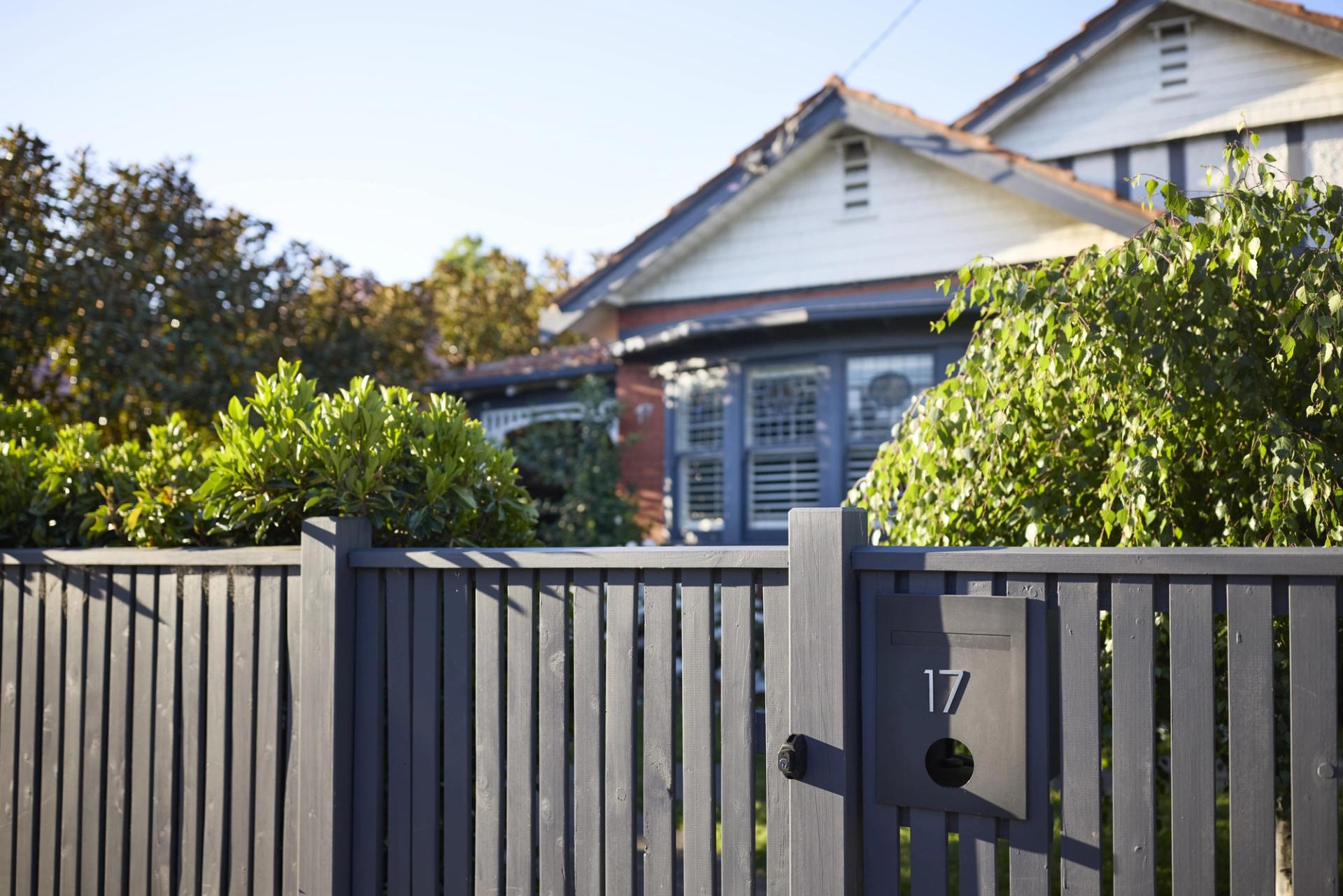
Top 10 Benefits of a Reverse Mortgage in Australia for Retirees

Australia’s retirees are often told they’re wealthy. After all, when you add in home wealth to super, shares and other investments, it can paint a rosy picture. However, for many retirees, the majority of their wealth sits in their home, while their super and/or pension payments cover day-to-day living. This gap between home equity and available cash is a common challenge to a comfortable retirement, particularly as living costs continue to rise.
So how can you make the most of the wealth you’ve built up in your home over the years?
Many people believe they need to sell their home to access the wealth that’s built up under that familiar roof over the years. The thought of selling a much loved home – one where memories have been made, where family gathers, that provides security – this can be a really tough decision. The degree of difficulty only increases where people have to move to new and uncharted territories, away from the familiarity and security of a loved community.
A reverse mortgage is one option that allows homeowners aged 60 and over to access some of the equity in their home without having to sell or move. Funds can be used for everyday expenses, home improvements, medical costs, aged care or simply to boost retirement income.
As with any financial decision, a reverse mortgage suits some situations better than others. This article outlines ten of the key benefits, so you can understand how it works and decide whether it might benefit you to take a closer look.
1. Stay in your own home
For most retirees, the family home is more than a financial asset. It holds memories, community connections and a sense of security that can be hard to put a monetary value on.
A reverse mortgage allows you to access the equity built up in your home while continuing to live in it. There's no need to sell, downsize or move into unfamiliar surroundings to free up funds.
Downsizing is often presented as the default alternative to a reverse mortgage, but it comes with its own costs and complications that aren't always obvious at the outset.
Selling and buying property involves real expenses. Agent commissions, marketing costs, conveyancing and stamp duty on the new purchase can add up to tens of thousands of dollars, cutting into the equity you may be trying to access in the first place.
There's also the practical challenge of finding a smaller property in the same area, at a comparable standard and within budget. In many parts of Australia, suitable one or two bedroom homes or units are in short supply, particularly in established suburbs where retirees want to stay close to family, friends, community and established service providers.
Then there's the process of packing up a lifetime. Furniture that suited a family home rarely fits a smaller space, which often means selling or donating pieces, some with decades of history attached. Sorting through decades of memorabilia – from children's artwork to inherited furniture to holiday momentos – can be a genuinely difficult and time-consuming task, physically and emotionally.
For some retirees, downsizing is the right decision and comes with genuine benefits such as a single storey, less maintenance or lower ongoing costs. But it's not a simple or cost-free process, and it's worth weighing these factors against other options, including unlocking equity while remaining in your home.
Staying in your family home can matter for practical reasons too. Staying put means keeping the same GP, pharmacist and support networks nearby, along with familiar routines that make daily life easier to manage. For many retirees, remaining in their own home for as long as possible is a key part of maintaining independence and ageing well.
2. Access money without monthly repayments
One of the features that sets a reverse mortgage apart from other forms of borrowing is that regular monthly repayments are not required – that’s right, you can access the money in your home without having to find room in your monthly budget for regular repayments. Instead, the loan value and accumulated interest are typically repaid when your home is eventually sold.
Interest on a reverse mortgage compounds over time, since it's added to the loan balance rather than paid off as you go. This means the amount owed grows over time, so it's worth understanding how compounding works and how it might affect the equity left in your home over the years ahead. However, as you retain 100 percent ownership of your home, you also benefit from all gains in its value, which can help to offset the loan over time.
3. Flexible ways to receive funds
A reverse mortgage isn't limited to a single lump sum payment. Like most lenders, Household Capital offers a choice of how funds are paid out, so the loan can be structured around your needs.
Options typically include:
- A lump sum, useful for a single larger expense such as home renovations, medical costs or paying off an existing debt
- A regular income stream, which can top up the Age Pension or super drawdowns to help cover everyday living costs
- A combination of the above, for example a smaller lump sum for immediate needs alongside an ongoing income stream
You can also set aside a contingency fund to be drawn on as required; the benefit of this is that interest only accumulates on funds drawn.
This flexibility means the loan can be tailored to your circumstances. Someone planning a major home upgrade has different needs to someone looking for a monthly boost to their income. A reverse mortgage can be structured to suit either situation…or anywhere in between.
4. Consolidate debt and free up your cash flow
Many retirees carry some form of debt into retirement, whether that's a remaining mortgage balance, a car loan or credit card debt. Servicing these repayments on a fixed income can be one of the biggest strains on a retirement budget.
Around 40 percent of our customers use the wealth in their home to pay out a home loan. Why? A traditional home loan requires regular principal and interest repayments, regardless of your income in retirement. For many retirees, this means drawing down on superannuation earlier and faster than planned, just to keep up.
Every dollar used for mortgage repayments is a dollar no longer working for you in retirement. Depleting super early can significantly reduce the income your super can generate over the following years.
By refinancing an existing home loan into a reverse mortgage, you can redirect the money that would have gone toward monthly repayments back into your regular cash flow and leave your super invested and growing.
The same goes for other debt – whether a personal loan, car loan or credit card – a reverse mortgage can be used to pay out existing debts in full, freeing up your cash flow so you can enjoy a more comfortable retirement.
5. Boost retirement income
For many retirees, the Age Pension and superannuation don't stretch as far as expected. Rising living costs are hard to escape on a fixed income, showing up in the electricity bill, the supermarket trolley and the cost of seeing a doctor.
A reverse mortgage can provide a regular income stream, giving you an ongoing top-up to cover everyday living costs. It can also mean more room to say yes to the things you enjoy, not just cover the essentials. This eases the pressure of stretching a fixed income across bills, transport, food and other costs, without needing to sell your home or take on part-time work.
For those who are asset rich but cash flow poor, a common position for retirees whose wealth is tied up in the family home, a reverse mortgage can help close the gap between the value of your home and the income needed to live comfortably. You can read more about beating the cost of living in this article.
6. Fund home renovations or modifications
As we age, home sometimes needs to change with us. A reverse mortgage can provide you with the funds to make the renovations or modifications you need to support comfortable and safe independent living.
This might include practical changes like grab rails in the bathroom, a walk-in shower, ramps at entryways or wider doorways to accommodate mobility aids. It can also include renovations or general maintenance and upkeep, from a new roof to an easy maintenance garden. Ultimately, renovations and modifications can make a real difference to day to day safety and confidence at home, and often mean the difference between staying in your own home and needing to move to residential aged care.
For many retirees, funding these changes upfront through a reverse mortgage is more manageable than trying to save for them on a fixed income – or pulling money from super and risking future income – particularly when the work needs to happen sooner rather than later.
7. Support aged care costs
As we age, a new and often daunting chapter approaches: the need for care. Medical expenses tend to increase, you may need support services to live independently at home, or you or a loved one may need to transition into residential aged care. The costs are not insignificant. And for many families, this milestone is clouded by a single question: "Do we have to sell the home to pay for the care?"
Fortunately, the answer is no. Whether it’s funding to bridge the gap between government support and meeting your needs, or meeting your needs until government support kicks in, a regular income stream can be used to cover your in-home support costs.
Health insurance and regular medical costs can also be covered by a regular income from home equity. In the case of a more significant medical expense, a lump sum payment may better meet your needs.
Navigating the residential aged care system can often feel like learning a new language. To understand where home equity may fit in the puzzle, you need to understand what payments you may need to make. This article explains the details.
8. Help family earlier, when they need it most
Australia is on the edge of a significant intergenerational transfer in family wealth; estimates of the total wealth set to change hands over the coming decades are as high as $3.5 trillion over the next 20 years (source: Willed). An estimated 13.7 million Australians plan to pass on money or assets when they die, with most planning to leave the bulk of it to their children (source: Finder).
But not everyone wants to wait. There’s a growing appetite among retirees to deliver a ‘living inheritance’, to provide a gift while they are still alive to see their family members benefit from it. It also means they’re able to give when their children or grandchildren most need a leg up: to payout a mortgage or buy a first home, to cover school or university fees. These gifts can be transformative and being able to see the positive impacts can be life-affirming.
A reverse mortgage offers one way to act on this. Using home equity to provide support now can make a meaningful difference for family members facing today's cost pressures, particularly rising property prices. It's worth having an open conversation with family about how this fits into the bigger picture, including how it might affect your estate down the track. This article discusses the ‘Bank of Mum and Dad’ in greater detail.
9. Legislated protections in place
Reverse mortgages in Australia are strictly regulated to protect borrowers; this is worth understanding before deciding it’s the right option for you.
Reverse mortgages are regulated by the National Consumer Credit Protection Act 2009 (NCCP) and its 2012 amendments. This applies to all reverse mortgages, regardless of which lender you choose. Interestingly, the government’s Home Equity Access Scheme is not governed by the NCCP although it does have a No Negative Equity Guarantee.
Every reverse mortgage offered in Australia must include a No Negative Equity Guarantee. This means you, or your estate, will never owe more than the value of your home, even if the loan balance eventually exceeds the sale price due to accumulated interest or a fall in property values. You also retain a right to occupy your home for as long as you choose, generally until your home is sold. This means the loan doesn't put your right to live in the home at risk, provided you meet the loan conditions, such as keeping the property insured and maintained. As outlined earlier, regular repayments are not required.
Reverse mortgages also fall under the oversight of the Australian Securities and Investments Commission (ASIC), which sets standards for how lenders assess applications, disclose costs and communicate with borrowers. Lenders are required to ensure the loan is suitable for your circumstances, not just approved based on available equity.
Together, these protections mean a reverse mortgage in Australia operates within a more tightly regulated framework than in some other countries, giving retirees a level of certainty when weighing it up as an option.
10. Retain ownership and flexibility
A common misconception about reverse mortgages is that the lender takes ownership of the home. This isn't the case. You remain the legal owner of your property for the life of the loan, with the same rights and responsibilities as any other homeowner.
The loan is simply secured against the home, similar to a standard mortgage, with the balance repaid when the property is eventually sold. In the meantime, you're free to renovate, maintain and enjoy your home as you always have.
There's also flexibility if your circumstances change. Most lenders, including Household Capital, allow voluntary repayments if you want to reduce the loan balance or slow the rate at which interest compounds, without being locked into a fixed repayment schedule. And if you decide to sell and move – whether to downsize, relocate closer to family or move into aged care – the loan is portable in many cases, meaning it can potentially be transferred to a new property, subject to lender approval.
This combination of retained ownership and flexibility means a reverse mortgage can adapt as your needs change, rather than locking you into a single, fixed arrangement. If you’d like to read more about how reverse mortgages work, check out our full reverse mortgage guide.
A reverse mortgage can offer real benefits for retirees looking to ease financial pressure, support family, fund home improvements or simply enjoy retirement with a bit more breathing room. From staying in your own home to accessing equity without monthly repayments, it's a flexible option built around the needs of Australians aged 60 and over.
The best next step is to try out our easy to use home wealth calculator. You can get a sense of how much you could potentially access. Then, you simply need to imagine the transformative power that money could have on your retirement.
Applications for credit are subject to eligibility and lending criteria. Fees and charges are payable, and terms and conditions apply (available upon request). Household Capital Pty Limited ACN 618 068 214, Australian Credit Licence 545906, is the Servicer for the credit provider Household Capital Services Pty Limited ACN 625 860 764.